
Top 10 Entry Points Pests Use to Sneak Into Your Home (And How to Close Them Up)
Read Time:
Pests don’t need much to slip into a home. A tiny gap, a loose screen, a crack you barely notice — that’s all it takes. And once they’re inside, they settle in like uninvited guests who forgot to leave.
The good news?
Most entry points are simple to understand and even easier to fix once you know where to look. Think of this guide as a friendly walk around your home, pointing out the spots pests love most.
Table of Contents
1. Gaps Around Doors
Even a small space under or around a door can invite ants, spiders, and even mice. A mouse only needs a gap the size of a dime to squeeze through — something the CDC and EPA both note in their rodent prevention guidelines.
Why it matters:
Warm air, food smells, and shelter draw pests right to your door.
What helps:
Weatherstripping, door sweeps, and tightening loose hinges.
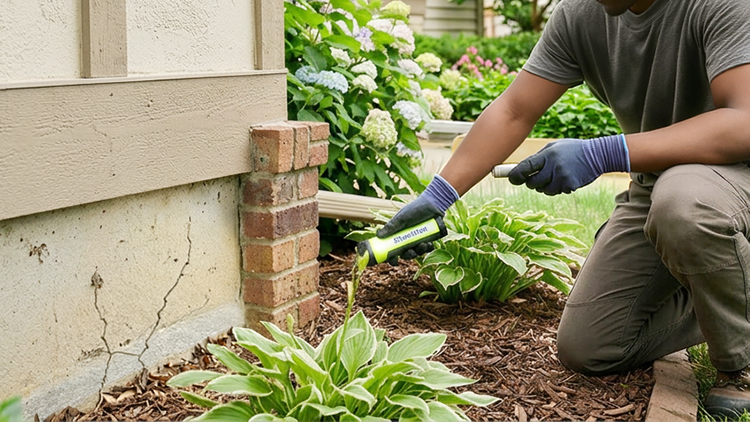
2. Cracks in the Foundation
Over time, tiny cracks form in concrete. They may look harmless, but they’re perfect for ants, centipedes, and even small rodents.
Why it matters:
Foundation cracks often connect directly to basements and crawlspaces — places pests love.
What helps:
Exterior‑grade sealant and yearly inspections.
3. Utility Line Openings
Where cables, pipes, and wires enter your home, there’s often a small gap. These openings are like highways for pests.
Why it matters:
Warmth from pipes attracts insects and rodents.
What helps:
Expanding foam or copper mesh (recommended by the EPA for rodent exclusion).
4. Dryer Vents
Dryer vents push out warm, moist air — a perfect combination for pests like roaches and silverfish.
Why it matters:
Loose or damaged vent covers create easy access.
What helps:
A tight, louvered vent cover and regular lint cleaning.
5. Attic Gaps and Rooflines
Squirrels, bats, and birds often enter through small openings near the roof. Once inside, they can nest in insulation and cause damage.
Why it matters:
Warm air rises, making attics cozy for wildlife.
What helps:
Repairing soffits, replacing damaged shingles, and screening attic vents.
6. Crawlspace Vents
Crawlspaces stay dark and damp — ideal for pests. If vents are loose or broken, pests walk right in.
Why it matters:
Moisture attracts termites, roaches, and rodents.
What helps:
Vent covers, moisture control, and proper grading.
7. Window Screens and Frames
A torn screen or loose frame is an open invitation for flies, mosquitoes, and spiders.
Why it matters:
Moisture attracts termites, roaches, and rodents.
What helps:
Replacing screens and sealing gaps with caulk.
8. Garage Doors
Garages are one of the most common entry points for mice and insects. The bottom seal wears down over time, creating a perfect gap.
Why it matters:
Garages offer shelter, warmth, and hiding spots.
What helps:
A new rubber seal and keeping clutter off the floor.
9. Chimneys
Birds, raccoons, and even squirrels can enter through an uncovered chimney.
Why it matters:
Chimneys mimic natural tree hollows — perfect nesting spots.
What helps:
A chimney cap with a wire mesh screen.
10. Gaps Around Plumbing Under Sinks
Under‑sink cabinets often have openings where pipes enter the wall. These gaps are common entry points for roaches and mice.
Why it matters:
Moisture + darkness = ideal pest conditions.
What helps:
Foam sealant or copper mesh around pipe openings.
Closing Thought
Foundation cracks can feel intimidating, but most of them are simple to handle once you know what you’re looking at. And you don’t have to be an expert, just a homeowner who cares about keeping their space safe and sound.
If something here feels familiar, you’re not alone. Homes and business across Elizabeth NJ, and Union County deal with the same things every year, and we’re always here to help you sort through it.