
Bed Bugs
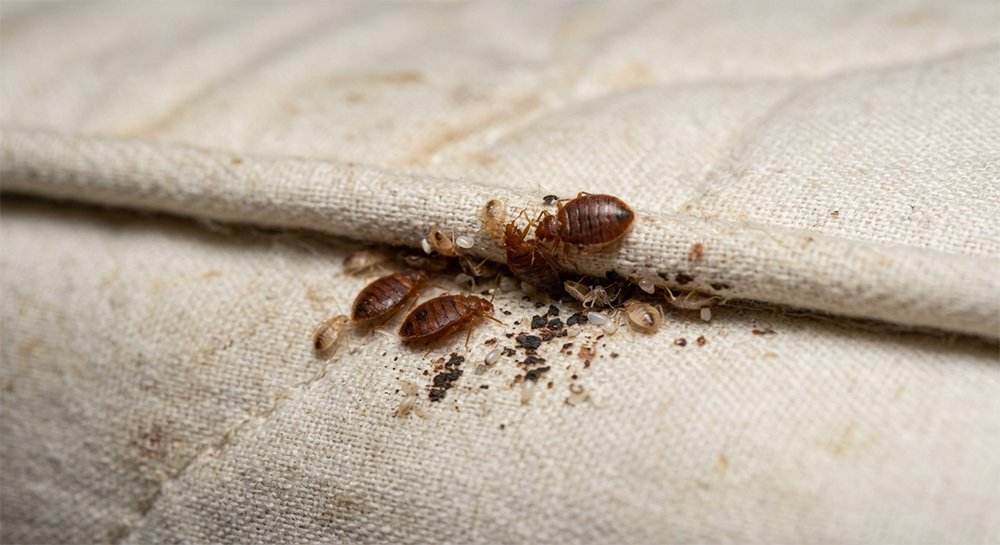
Bed bug treatment you can trust — judgment-free, safe for your space and guaranteed to work
Why You’re Seeing Bed Bugs
Bed bugs can happen to anyone: clean homes, hotels, public transit, apartments, and single‑family houses. They don’t care how clean your home is. They’re hitchhikers that travel on luggage, clothing, secondhand furniture, backpacks, and even public transit seats.
There is no shame in having bed bugs. We treat every home and space with respect, discretion, and care, the same way we’d help any neighbor.
Bed bugs are also one of the hardest pests to eliminate on your own. They hide in mattress seams, behind outlet covers, inside furniture joints, and in tiny cracks within 5–8 feet of where you sleep. DIY sprays rarely reach all their hiding spots and can cause them to scatter to other rooms.
Signs You Have Bed Bugs
- Bites in a line or cluster — itchy red welts, often in rows or small groups on exposed skin.
- Tiny blood spots on sheets — small rust‑colored stains from crushed bugs or bite sites.
- Dark spots on mattress seams — ink‑like dots along seams, edges, or behind the headboard.
- Shed skins or live bugs — pale yellow skins or small apple‑seed‑sized reddish‑brown bugs in crevices.
Common Questions Answered Simply
COMMON QUESTIONS
Your Questions Answered Honestly
The questions we hear most. Real answers — just what you need.
Almost never. Mattress covers and professional treatment are usually enough. Throwing out a mattress before treatment can actually make the problem worse.
Travel is only one way. Bed bugs spread through secondhand furniture, visitors, shared laundry rooms, and public transit. You did nothing wrong.
Store sprays rarely work. DIY treatments only kill bugs they touch and don’t reach eggs or deep hiding spots. Spraying can also cause bugs to scatter to other rooms.
In NJ, landlords are generally responsible for addressing bed bugs in rental units once notified. You can hire us directly, but building‑wide coordination usually requires landlord involvement.
Why Bed Bugs Are Common in Elizabeth NJ
Bed bugs spread easily in multi‑unit housing, which makes them especially common in Elizabeth and surrounding towns. They can move through: shared walls, outlet boxes, hallways, laundry rooms, baseboard gaps.
They’re also frequently brought in through: secondhand furniture left on curbs, NJ Transit buses and trains, hotel stays, visitors’ bags or clothing.
One untreated unit in a building can spread to several others within weeks.
How We Treat Bed Bugs
01
Thorough inspection and confirmation
We inspect the mattress, box spring, bed frame, nearby furniture, outlets, and baseboards. We confirm the species and the extent of the infestation before recommending treatment.
02
Preparation and treatment
Proper prep is essential. We send a clear, easy‑to‑follow prep checklist and walk you through every step. We apply GreenPro‑certified residual treatments to: mattress seams, box spring, bed frame joints, baseboards, outlet covers, furniture crevices, and wall voids. We treat every area systematically, not just what’s visible.
03
Prevention tips and follow-up
We leave you with practical prevention tips specific to your home — not generic advice. We follow up to make sure the problem is resolved. If they return in 30 days, so do we, free of charge.
Next Pest to Explore: Flies & Gnats
Ready to get started?