Wildlife
Wildlife Removal — we remove animals humanely and safely, we find every entry point and seal them so the problem doesn’t return
Why You’re Seeing Wildlife
Elizabeth’s dense neighborhoods don’t keep wildlife away — they concentrate it. Squirrels, raccoons, skunks, opossums, groundhogs, and bats are well adapted to city life and actively look for warm, quiet places to nest. Attics, crawl spaces, wall voids, and decks are perfect for shelter.
Once inside, wildlife can:
- Damage wood, insulation, and wiring.
- Leave urine and droppings.
- Bring in fleas, ticks, and other pests.
- Create strong odors and contamination.
Removing the animal is only half the job — sealing the entry point is what keeps them out for good.
Signs You Have Wildlife in Your Space
These are the most common warning signs:
- Loud thumping or scratching — heavier than mice.
- Activity at dawn or dusk — common with squirrels.
- Nighttime noises — raccoons and opossums.
- Entry holes around the roofline or foundation.
- Strong odors from urine, droppings, or skunk spray.
- Insulation pushed aside or torn up.
- Footprints or smudge marks near entry points.
Common Wildlife in NJ
Here are the wildlife you’re most likely to see around Elizabeth and Union County .
Squirrels
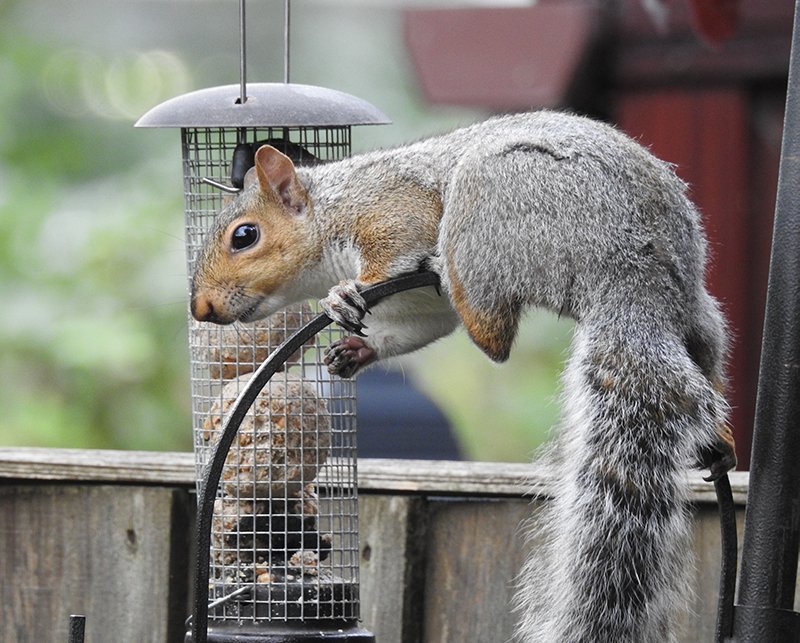
The most common attic intruder. They chew through fascia boards and rooflines, especially in late winter and early spring. They also gnaw on electrical wires — a fire hazard — and contaminate insulation. Entry holes are often the size of a golf ball.
Raccoons
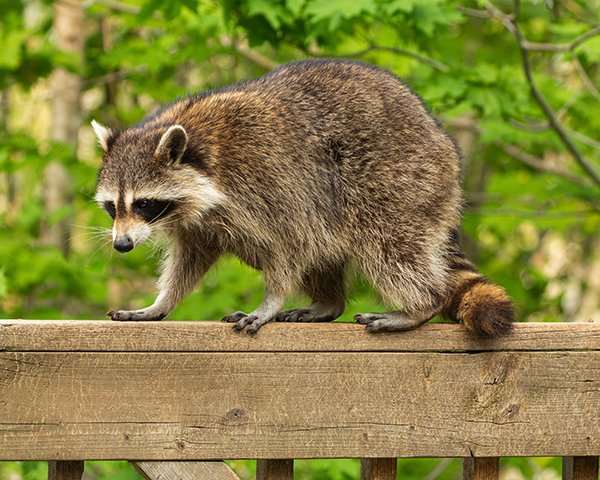
Strong and intelligent. They can pull back loose shingles or soffits to enter attics. Mothers with young require careful handling. Raccoon droppings can contain Baylisascaris roundworm, which is dangerous to humans. Never attempt removal yourself.
Skunks
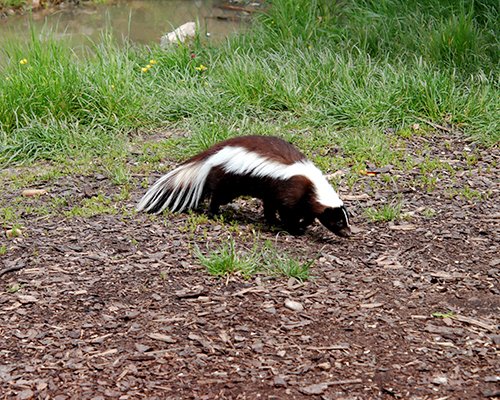
Skunks den under decks, stoops, and sheds. They’re most active in February–March. Improper removal almost always leads to spraying, which can cause nausea and temporary blindness. We use specialized trapping to reduce this risk.
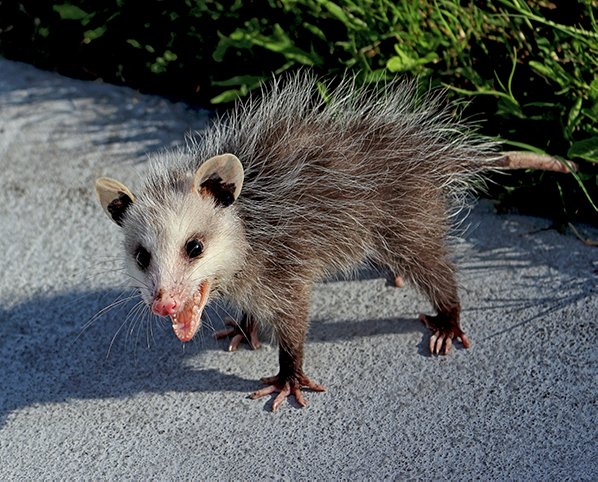
Opossums
Often found under decks and in crawl spaces. They’re non‑aggressive and helpful for tick control, but they don’t belong inside your home. Removal and relocation are usually straightforward.
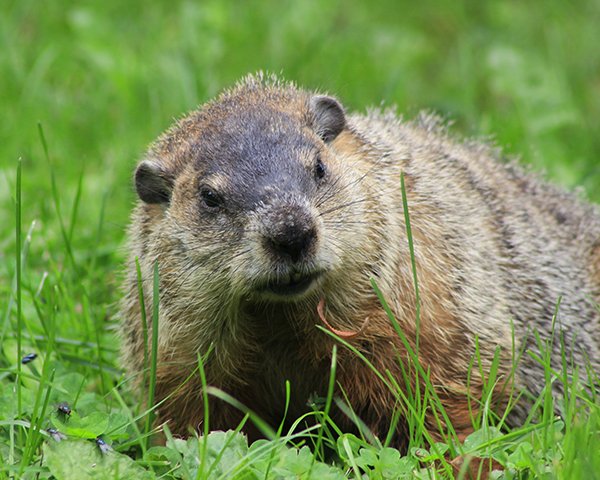
Groundhogs
They burrow under sheds, decks, and foundations. Their tunnels can weaken structures over time. Trapping and sealing the burrow entrance solve the problem long‑term.
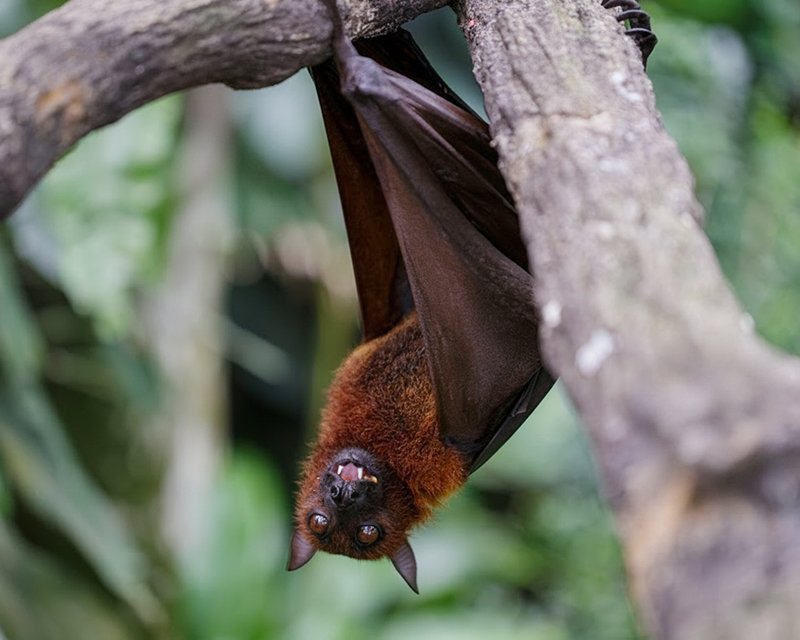
Bats
Bats roost in attics and soffits. In NJ, they are protected — lethal removal is illegal, and exclusion must be done outside maternity season (May 1–July 31). We follow all NJ DEP (New Jersey Department of Environmental Protection) regulations.
Common Questions Answered Simply
COMMON QUESTIONS
Your Questions Answered Honestly
The questions we hear most. Real answers — just what you need.
Squirrels make fast scurrying sounds at dawn and dusk. Raccoons make heavy thumps and vocal noises at night. Mice make light, quick skittering sounds. If the noise is loud or heavy, it’s wildlife.
Only if you’re 100% sure all animals — including babies — are out.
Sealing an animal inside causes major damage and terrible odors.
We use one‑way doors that let animals exit but not re‑enter, then seal the hole permanently.
New Jersey has strict wildlife protection rules, and not all removal methods are legal. Here are the basics:
- Most wildlife species are protected by the NJ Division of Fish & Wildlife
- Lethal control usually requires special permits
- Relocation distance is limited by law — you can’t move animals wherever you want
- Nursing mothers with young must be handled carefully and cannot be separated
Why Wildlife Problems Are So Common in Elizabeth, NJ
Elizabeth’s older homes, aging rooflines, and tightly packed neighborhoods create perfect conditions for urban wildlife. Squirrels, raccoons, and skunks thrive here because they have easy access to food from trash, gardens, and pet bowls, along with plenty of shelter in attics, crawl spaces, and under decks.
Gaps and openings in older structures give them simple entry points, and the warm spaces inside make ideal nesting spots during winter. Urban wildlife doesn’t avoid people — it adapts to living right alongside us.
How We Treat Wildlife Problems
01
Full exterior inspection — find every entry point
We inspect the roofline, vents, soffits, foundation, and any structural gaps. We identify the species, the entry points, and whether young are present — which changes the removal approach.
02
Humane trapping and removal
We use live traps and exclusion devices to remove animals safely. Traps are checked regularly, and all relocation follows NJ DEP rules.
03
Entry point sealing, prevention tips and follow-up
Entry point sealing is what keeps wildlife from coming back. After removal, we close every gap, hole, and weak spot using materials animals can’t chew or push through, like hardware cloth, metal flashing, and commercial‑grade sealants.
We also explain what cleanup may be needed, since droppings, urine, and nesting materials can carry pathogens and attract other pests. If the space needs deeper decontamination, we can recommend trusted remediation specialists.
If they return in 30 days, so do we, free of charge.
Health Risks — Why You Shouldn’t Handle Wildlife Yourself
Wildlife can carry serious diseases and hazards:
- Raccoons: rabies, distemper, roundworm
- Bats: Histoplasma in guano
- Skunks: spray can cause nausea and temporary blindness
- Squirrels: fire risk from chewed wiring
Never corner, trap, or touch wildlife yourself. Call a licensed wildlife professional — this is exactly what we’re trained and equipped to do.
Next Pest to Explore: Mice & Rats
Ready to get started?